This post contains affiliate links. Any purchase made through such links will award me a small commission at no extra cost to you.”
Introduction
In our quest for sleek and straight hair, it’s important not to compromise on hair care. Straightening can damage your hair if not done properly. That’s why we have compiled the top 10 expert tips to ensure safe hair straightening. These tips will help you understand the basics of hair straightening, prepare your hair adequately, and employ safe hair straightening techniques. Let’s dive in and explore these tips in detail.
Understand the Basics of Hair Straightening
Before straightening your hair, it’s essential to understand your specific hair type and its susceptibility to damage. Hair types can range from straight to wavy to curly, and each type requires different straightening techniques. Straight hair tends to be more resistant to damage, while curly hair is more vulnerable. By identifying your hair type, you can choose the appropriate tools and methods for straightening.
Furthermore, it’s crucial to assess your hair’s health and damage levels. Determining the condition of your hair will help you tailor your haircare practices to improve its health before straightening. Regular deep conditioning and moisturizing routines can go a long way in preparing your hair for the straightening process.
Consulting with a professional hairstylist specialized in hair straightening can provide invaluable insights. A qualified stylist will help you determine the best techniques and products for your hair type, ensuring a safer and more effective straightening experience.
Preparing for Safe Hair Straightening
To minimize damage during the straightening process, proper preparation is key. Following these steps will help you prepare your hair adequately:
Deep Conditioning and Moisturizing
Deep conditioning plays a significant role in maintaining hair health. It involves using specialized products that penetrate the hair shaft, providing nourishment and moisture. Regular pre-straightening conditioning routines, using suitable products, are essential to keep your hair moisturized and healthy.
In addition to deep conditioning, incorporating protein treatments into your haircare routine can help strengthen your hair and reduce damage. Protein treatments replenish the protein lost in the hair, improving its overall health and resilience.
To further protect your hair from heat damage, it’s crucial to use quality heat protectants before styling. Look for products with ingredients like
View Shop (argan oil, shea butter, or silk proteins). Apply the protectant evenly throughout your hair, focusing on the ends, which are typically more prone to damage.
Proper Hair Washing Techniques
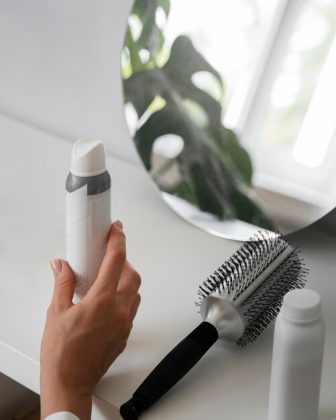
Before straightening, it is imperative to keep your hair clean. Shampoos without sulfates are advised because sulfates, known for their strong cleansing properties, can strip natural oils from the hair, potentially leading to dryness.Choose shampoos without sulphates to gently cleanse your hair without upsetting its natural moisture balance.
Rinsing your hair with cold water after shampooing can promote shine and smoothness. Cold water helps seal the hair cuticles, reducing frizz and imparting a lovely gloss to your straightened hair. Incorporate this in your haircare routine for noticeable results.
When towel drying your hair, be gentle to avoid excessive friction and breakage. Pat your hair dry instead of vigorously rubbing it. Additionally, try to limit your hair’s exposure to heat by allowing it to air dry partially before using a blow dryer.
Detangling and Prepping Hair
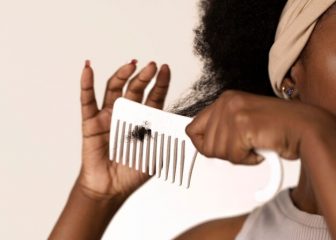
Effective detangling is crucial to prevent breakage while straightening. Use wide-toothed combs or brushes that glide smoothly through your hair without causing damage. Start detangling from the ends and gradually work your way up, focusing on any tangled areas.
Leave-in conditioners can provide added protection during the detangling process. These products help moisturize and lubricate the hair, making it easier to comb through without causing excessive breakage.
If you want to achieve straight hair without using heat, consider employing heat-free stretching methods. Braiding, twisting, or banding your hair are excellent techniques for safely stretching naturally curly or wavy hair. Experimenting with these methods can give you the desired straightened look without subjecting your hair to high temperatures.
Safe Hair Straightening Techniques
Once you’ve adequately prepared your hair, it’s time to explore safe hair straightening techniques:
Set the Right Temperature on Heating Tools
Different hair types require different temperature settings on straightening irons. It’s crucial to find the optimal temperature range for your hair to minimize damage. Before straightening, test the heat on a small hair section to ensure it’s not too hot. Adjust the temperature accordingly to avoid excessive heat exposure.
When using a straightening iron, hold it correctly and make smooth, gliding movements. Avoid pressing too hard or moving too slowly, as this can cause damage. The recommended speed and pressure will depend on your specific hair type and iron. Experiment with different techniques to find what works best for you.
To prevent repetitive heat exposure, limit the number of straightener passes per hair section. Running the straightener over the same section multiple times can lead to excessive damage. Instead, aim for one or two passes to achieve the desired straightened look.
Use Advanced Hair Straightening Techniques
Traditional straighteners can cause significant damage, especially if used frequently. Consider using ceramic or tourmaline straighteners instead, as they distribute heat more evenly and minimize the risk of hot spots and excessive heat damage. Look for high-quality ceramic or tourmaline straighteners that are gentler on the hair.
If you want longer-lasting straight hair, explore Brazilian or Keratin hair straightening methods. These semi-permanent techniques use specialized products to alter the hair’s structure, resulting in smoother and straighter hair. Consult with a professional stylist experienced in these methods to determine if they are suitable for your hair type and desired results.
For those who prefer to avoid heat altogether, heatless straightening is a fantastic alternative. Techniques like flat wrapping or roller sets can create straightened hair without exposing it to high temperatures. Experiment with different heatless methods to find the one that suits your hair type and desired style.
Post-Straightening Care
After straightening your hair, it’s essential to implement proper post-straightening care to maintain its health and prevent damage:
Apply leave-in conditioner and heat protectants to keep your hair moisturized and protected. These products will help maintain the smoothness and shine of your straightened hair.
Avoid frequent hair washes, as excessive washing can strip away the natural oils that keep your straightened hair healthy. Opt for dry shampoos or use gentle cleansing methods between hair washes to maintain the longevity of your straightened style.
Lastly, protect your straightened hair during sleep and physical activities. Opt for protective hairstyles like braids, buns, or satin caps when going to bed to prevent friction and tangling. During exercise, secure your hair in a ponytail or bun and use sweatbands to absorb sweat and protect your hairline.
Summary
In summary, safe hair straightening requires adequate preparation and mindful techniques. Understanding your specific hair type, assessing its health and damage levels, and consulting with professionals are crucial steps. Deep conditioning, proper hair washing techniques, and effective detangling are essential in preparing your hair for straightening. Employing safe straightening techniques, such as setting the right temperature on heating tools and utilizing advanced methods, can further minimize damage. Finally, implementing post-straightening care practices will help you maintain healthy, straightened hair for longer.
Frequently Asked Questions (FAQs)
> Q: How often should I deep condition my hair before straightening?
> A: It’s recommended to deep condition your hair once a week or every two weeks, depending on your hair’s condition and moisture needs. Experiment with different frequencies to find what works best for your hair type.
> Q: Can I straighten my hair without using any heat?
> A: Yes! Heatless straightening methods, such as flat wrapping and roller sets, can be great alternatives to minimize heat damage. These techniques use gentle stretching methods to achieve straightened results without exposing your hair to high temperatures.
> Q: How long will my straightened hair last?
> A: The longevity of straightened hair varies depending on factors such as your hair’s natural texture, the techniques used, and your hair’s individual characteristics. With proper care and maintenance, straightened hair can last anywhere from a few days to a couple of weeks.

Follow us on: